How to Market a Bull Sale: A Complete Guide for Cattle Producers
Selling bulls requires different marketing than commercial cattle. Your buyers make calculated breeding decisions with multi-year impacts on their herds. They need specific information, delivered consistently, well before sale day.
This guide covers how to market a bull sale from first contact through post-sale follow-up, with practical steps that apply whether you're selling 20 bulls or 200.
Start Marketing Six Months Out
The producers who buy your bulls plan their genetics strategy months in advance. Starting your marketing efforts six months before sale day gives serious buyers time to evaluate your offering and budget accordingly.
Send a save-the-date announcement to your buyer list. Include the sale date, location, and a brief overview of what you're offering this year. If you're featuring a new bloodline or have made significant herd improvements, mention it here.
Create a landing page on your website specifically for this sale. You'll build out this page over the coming months, but establish it early so you have a consistent URL to share in all communications.
Update your email list. Remove bounced addresses from previous years. Add new contacts you've met at shows, field days, or through referrals. Segment this list if you have both registered and commercial buyers with different needs.
Build Your Sale Catalog Right
Your sale catalog carries the detailed information buyers use to make purchasing decisions. The format matters less than the completeness and accuracy of the data.
Each bull listing needs:
- Registration number and name
- Birth date and actual weight (not adjusted)
- Expected Progeny Differences (EPDs) for all relevant traits
- Genomic data if available
- Sire and dam information
- Frame score
- Scrotal circumference
- Clear, recent photos from multiple angles
Include your guarantee terms in the catalog. State your policy on fertility, genetic defects, and the timeframe for claims. Buyers need this information before they bid.
Write lot descriptions that highlight genuine differentiators. "Calving ease with growth" means something. "Excellent bull prospect" tells the buyer nothing they don't already assume.
For online catalogs, make the PDF downloadable. Many buyers print catalogs to mark up during preview or reference during the sale. Your digital version should be high enough resolution to print clearly.
Use Photography That Shows Structure
Bull buyers evaluate conformation and structural correctness. Your photos need to show what they're looking for.
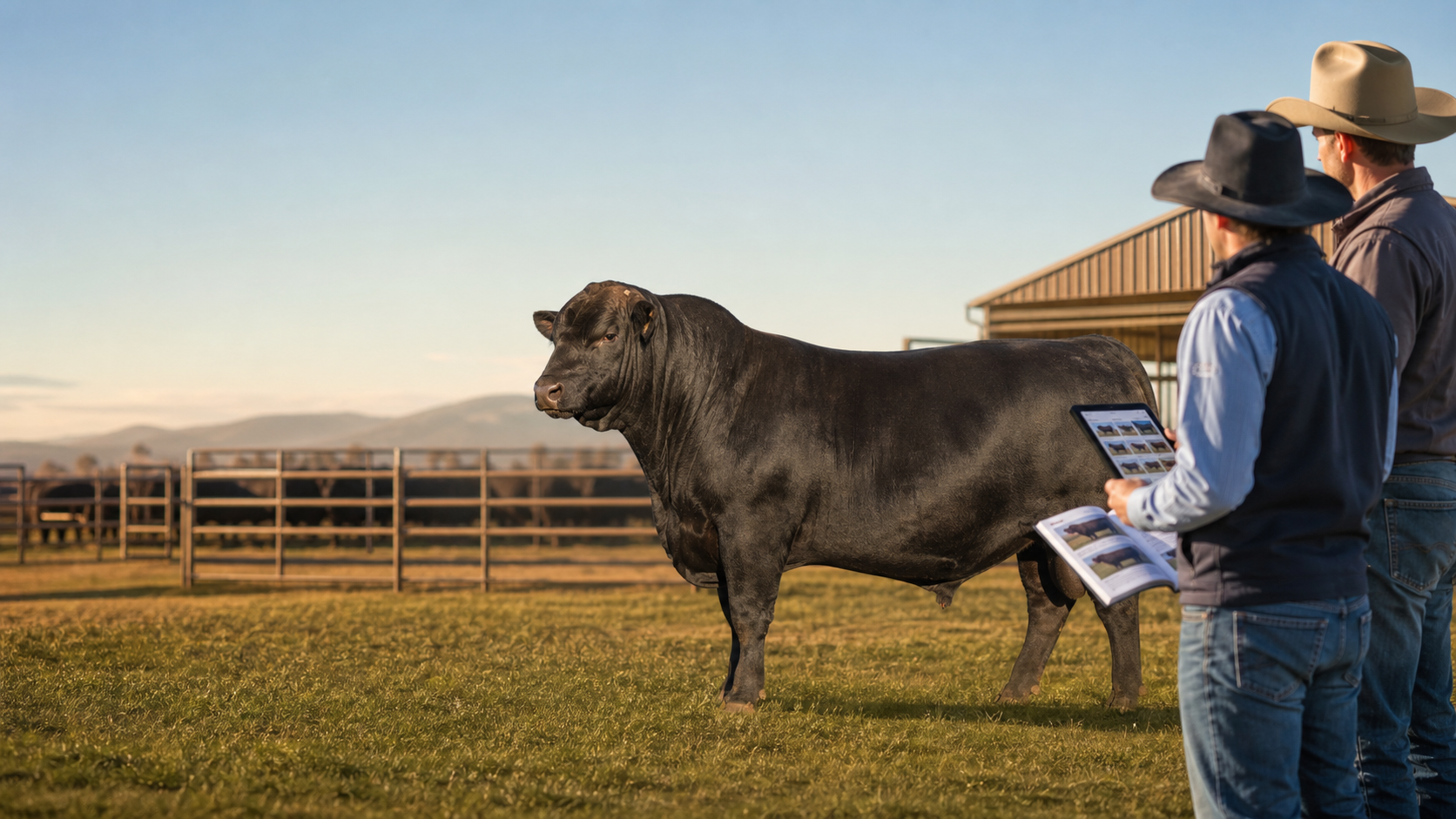
Take photos with the bull standing square on level ground. Side profiles should show the entire animal in frame with enough background to assess top line and underline. Front and rear three-quarter angles help buyers evaluate bone, feet, and muscling.
Photograph bulls clean and dry, in good light. Early morning or late afternoon natural light works better than harsh midday sun. Avoid dramatic shadows that obscure structural details.
Don't over-edit photos. Color correction and cropping are fine. Heavy filtering or manipulation undermines buyer trust. The bull they see at preview should match the catalog photo.
Video adds value for online or simulcast buyers who can't attend in person. A short clip showing the bull walk gives buyers information static photos can't provide. Keep videos under 30 seconds and ensure steady camera work.
Develop Email Sequences That Educate
Email remains the most effective channel for bull sale marketing. [[NEEDS INPUT: specific open rate and conversion data from bull sale email campaigns if available]]
Create a sequence of 4-5 emails leading up to sale day:
Email 1 (6 months out): Save the date announcement with basic sale information
Email 2 (3-4 months out): Catalog release with link to view online. Brief overview of your bull offering this year and what makes it noteworthy.
Email 3 (6-8 weeks out): Highlight specific lots or bloodlines. If you have bulls particularly suited to specific breeding objectives (calving ease, growth, maternal traits), call them out with lot numbers.
Email 4 (2-3 weeks out): Preview day details, bidding information, and logistics (parking, seating, internet bidding registration).
Email 5 (1 week out): Final reminder with schedule, any last-minute updates, and contact information for questions.
Keep subject lines direct: "Circle T Bull Sale — March 15" outperforms "You Won't Want to Miss This." Buyers sort through numerous sale announcements. Make yours easy to identify and file.
Write email content in plain text or simple HTML. Elaborate designs often break in email clients and distract from your message. Put the most important information — sale date, location, catalog link — in the first paragraph.
Make Your Website Work Harder
Your ranch website serves as the central hub for all sale information. Buyers will visit multiple times as sale day approaches.
The sale-specific landing page you created six months ago should now include:
- Sale date, time, and location with map/directions
- Complete catalog (PDF and/or searchable online format)
- Preview day schedule
- Bidding options and registration links for online/phone bidding
- Sale day schedule and format
- Your contact information
- Past sale results or testimonials from previous buyers
Add individual pages for featured lots if you have standout bulls worth highlighting. Include full EPD data, pedigree details, and multiple photos. Link these pages in your email campaigns and social media posts.
Ensure your website loads quickly on mobile devices. Many buyers will reference your catalog on their phones during preview days or even during the sale.
Install analytics tracking so you can see which bulls get the most page views. This data tells you what buyers find interesting and can inform future breeding decisions.
Use Social Media for Consistent Visibility
Social media doesn't replace your catalog or email campaigns, but it keeps your sale visible to buyers between formal communications.
Facebook works well for bull sale marketing because:
- Many producers actively use it
- Event pages help buyers save dates and get reminders
- Live video during preview days reaches buyers who can't attend
- Sharing works — satisfied customers will share your posts to their networks
Create a Facebook event for your sale. Include all relevant details and update it as preview days and sale day approach. Invite your buyer list and encourage them to mark "interested" or "going."
Post regularly but not excessively. Two to three posts per week leading up to the sale maintains visibility without becoming noise. Mix content types:
- Featured bull highlights with photos and key EPD data
- Short videos of bulls moving
- Behind-the-scenes content showing your operation (builds trust and connection)
- Countdown posts as sale day approaches
- Share positive comments from past buyers
Instagram reaches a younger demographic of producers who may be newer to buying breeding stock. Use it similarly to Facebook but expect less direct engagement.
YouTube hosts your video content. Upload individual bull videos and consider a sale preview video that walks through your top lots. Embed these videos on your website sale page.
Consider Print Advertising Strategically
Print advertising in breed journals and livestock publications still reaches bull buyers, particularly those 50 and older who may represent significant buying power.
A full-page ad in a major breed publication costs [[NEEDS INPUT: typical cost range for breed journal advertising]]. Evaluate whether this fits your budget and reaches your specific buyer demographic.
Regional livestock magazines and newspapers often deliver better ROI for smaller operations. A quarter-page ad in a publication that reaches producers in your area costs less and targets buyers more likely to attend your sale.
Sale book advertising in other breeders' catalogs can work if you're targeting the same buyer base. This works best when you're offering different but complementary genetics.
Direct mail postcards to your buyer list serve as physical reminders. Production costs have increased, but a well-designed postcard still gets attention that email might not.
Offer Multiple Bidding Options
Sale day logistics affect who can participate and how comfortable they feel bidding.
In-person bidding remains the preference for many established buyers who want to see bulls in person. Ensure adequate seating, good sightlines to both the sale ring and the auctioneer, and comfortable temperatures.
Online bidding platforms expand your buyer base significantly. Select a platform that's established in the cattle industry — buyers prefer systems they've used before. [[NEEDS INPUT: recommended online bidding platforms for livestock auctions if specific partnerships exist]]
Provide clear instructions for online registration at least two weeks before the sale. Some buyers need help setting up accounts or testing the system.
Phone bidding works for buyers with internet connectivity issues or those who prefer speaking with a live person. Designate knowledgeable staff to execute phone bids accurately.
Simulcast sales through breed association platforms or auction services reach national and international buyers. The commission costs must be weighed against the expanded buyer pool and potential for higher prices.
Run Effective Preview Days
Preview days give buyers hands-on time with your bulls before making purchase decisions. Structure these to accommodate buyers who may travel significant distances.
Schedule preview days at least one to two days before the sale. This gives buyers time to see bulls, review their notes, and return if they want a second look.
Have bulls clean, dry, and easily viewable. Group them logically — by age, bloodline, or lot number sequence. Make the catalog lot number clearly visible on each bull.
Staff your preview day with people who know the bulls and can answer questions. Buyers want to discuss specific lots, pedigrees, and breeding decisions. Generic answers waste their time and yours.
Provide hospitality appropriate to your operation and region. Coffee and lunch matter less than knowledgeable conversation and easy access to the bulls.
Take notes on which bulls get the most attention. Heavy preview traffic on specific lots often predicts strong bidding.
Follow Up After the Sale
Post-sale communication reinforces relationships with buyers and starts building toward your next sale.
Send thank-you messages to all buyers within a week of the sale. Include delivery arrangements, registration transfer timelines, and your contact information for any questions.
Ask for feedback. What did buyers like about the sale format? What would make their experience better next year? Actually use this information to improve.
Collect testimonials from satisfied buyers. Brief quotes about their experience or the bulls they purchased become marketing content for future sales.
Stay in touch with buyers throughout the year. When they use your bulls successfully, that becomes a case study for your breeding program. Report these results (with permission) in next year's marketing.
Follow up with underbidders on lots that drew significant interest. They were interested enough to bid — they might want similar genetics next year. Make notes about what they were looking for.
Update your buyer database with new contacts from this sale. Note what they purchased and any preferences they mentioned. This information makes your next campaign more targeted.
Measure What Matters
Track metrics that tell you whether your marketing actually works.
Sale attendance numbers show whether your outreach reached the right people. Compare year-over-year to identify trends.
Gross sale revenue and average lot price indicate market response to your genetics and your marketing effectiveness combined.
Buyer acquisition cost — what you spent on marketing divided by new buyers — helps you evaluate which channels bring in fresh customers most efficiently.
Catalog request numbers show initial interest levels. Compare requests to actual attendance to see how well you convert interest into participation.
Online bidding participation rates tell you whether that platform adds value or just creates complexity.
Repeat buyer percentage indicates customer satisfaction and the strength of your breeding program. High repeat rates often correlate with lower marketing costs over time.
Email open rates and click-through rates show whether your messages get attention. Industry averages for agricultural emails run [[NEEDS INPUT: specific benchmark data for agricultural email marketing if available]].
Your Marketing Plan Starts Now
Marketing a bull sale well requires consistent effort over months, not a few rushed weeks before sale day. The most successful seedstock producers treat marketing as an ongoing part of their operation, not an afterthought.
Start with the fundamentals: accurate data, quality photography, and clear communication. Build your buyer relationships through helpful information delivered consistently. Make it easy for interested producers to learn about your bulls, attend your sale, and bid confidently.
Your genetics and your reputation do much of the work. Your marketing makes sure the right buyers know about both.